


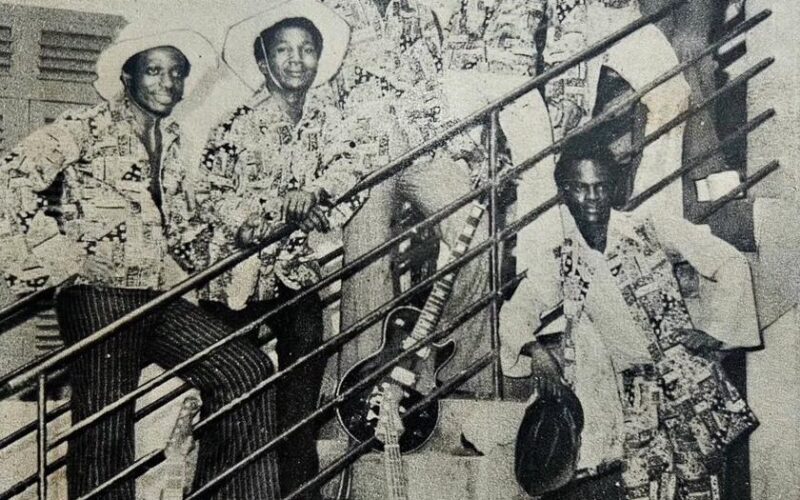
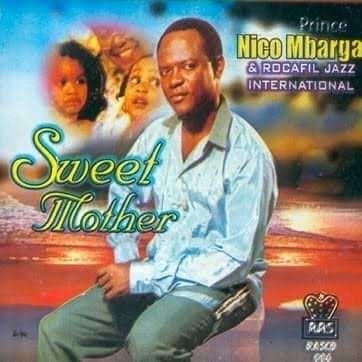
In the history of Nigerian music, few songs are as emotionally powerful or as widely loved as “Sweet Mother” by Prince Nico Mbarga and his band Rocafil Jazz. Released in 1976, this highlife classic is often called Africa’s “unofficial anthem.” It blends the infectious rhythms of highlife with heartfelt lyrics in Pidgin English, serving as a bridge between the golden age of Nigerian music and the global Afrobeats movement of today.
More than just a catchy tune, “Sweet Mother” is a deep tribute to motherhood. It was born from Mbarga’s personal struggles and the difficult times in West Africa during the 1970s.
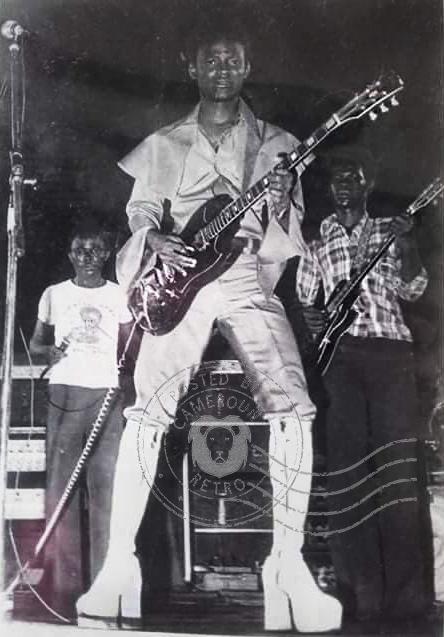
Prince Nico Mbarga’s Journey
To understand the song, you have to understand the man. Prince Nico Mbarga’s life was a story of survival and talent.
A Short Career: Mbarga released several albums, including Aki Special (1975) and Cool Money (1980). However, he died tragically in a motorcycle accident on June 24, 1997, in Calabar, Nigeria. He was only 47 years old.
Early Life: Born on April 1, 1950, in Abakaliki, Nigeria. His father was Cameroonian and his mother was Nigerian. This dual heritage gave him a unique sound, mixing Cameroonian makossa with Nigerian Igbo highlife.
The War: In 1966, at age 16, he lost his father at the start of the Nigerian Civil War (Biafran War). He and his mother fled to Cameroon to escape the violence.
Musical Growth: While in Cameroon, Mbarga became a “one-man band,” mastering the guitar, xylophone, and drums. He eventually moved back to Nigeria and formed his band, Rocafil Jazz, in 1973.
“Sweet Mother” was recorded in 1976 at the Rogers All Stars studio in Onitsha. It was a deeply personal project. Mbarga wrote it to thank his mother for raising him alone after his father died. He remembered how she skipped meals to feed him and stayed awake whenever he was sick during the war.
Musical Style
The song is a masterpiece of Highlife fusion:
- Length: The full version is over 10 minutes long.
- The Sound: It features a bright, looping guitar riff and steady conga percussion.
- The Vocals: Mbarga sang in Pidgin English, which allowed the song to be understood by people all across Africa, regardless of their local language.
- The “Panko” Style: Mbarga’s specific blend of highlife, soukous, and makossa was often called “panko” music.
Why the Song Resonates Globally
The lyrics are simple but strike a chord with everyone: “Sweet mother, I no go forget you / For the suffer wey you suffer for me.” It captures the image of the self-sacrificing mother, a figure deeply respected in African culture.
| Fact | Detail |
| Sales | Sold over 13 million copies, more than many Beatles singles. |
| Global Reach | Massive hits in Kenya, Ghana, and even Colombia, where it is known as “Mazuzu.” |
| Recognition | Voted Africa’s Favorite Song by BBC World Service listeners in 2004. |
| Modern Use | A staple at weddings, Mother’s Day church services, and funerals for elders. |
The Legacy in 2026
Even 50 years after its release, “Sweet Mother” remains a cultural touchstone. In a world of fast-paced digital music, this “classic” gem still feels fresh. It reminds us of a time when music was recorded live with a full band and carried a message that could unite an entire continent. Prince Nico Mbarga may have left us early, but his tribute to mothers ensures he will never be forgotten.